How Non-Alcoholic Red Wine Is Made: The Complete Production Process Explained
The global non-alcoholic wine market is growing fast. It is valued at around USD 2-2.8 billion in 2025 and is expected to cross USD 7.6 billion by 2035, growing at over 10% annually. (Source)
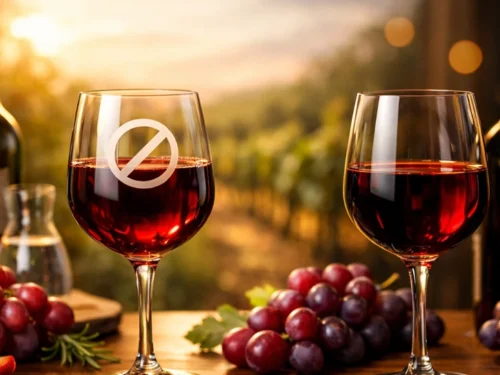
Many people enjoy the taste of wine but prefer not to drink alcohol. Some choose it for health reasons, while others simply want a lighter drink. Because of this, more people are starting to explore non-alcoholic wine. But many still wonder how it is made.
Is it just grape juice with a different label? Not really.
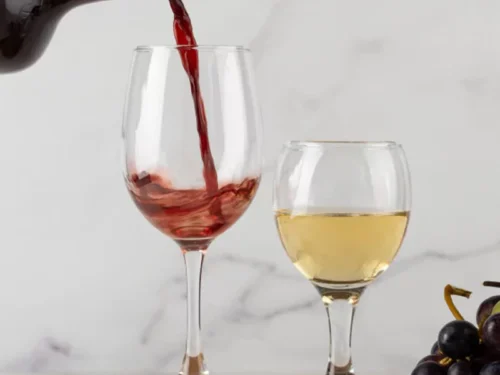
In reality, the process is much more interesting. Non-alcoholic wine begins as real wine. After the wine is made, the alcohol is carefully removed while keeping the flavor and aroma as much as possible.
Read this blog to know about how non-alcoholic wine is made.
How Is Alcohol-Free Wine Made?
Here are a few tips on how to feature non-alcoholic red wine on your festive table. Read more
Step 1: Making the Wine First
The first step in producing non-alcoholic red wine is exactly the same as traditional winemaking.
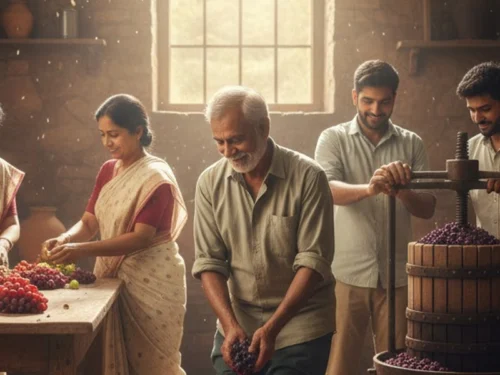
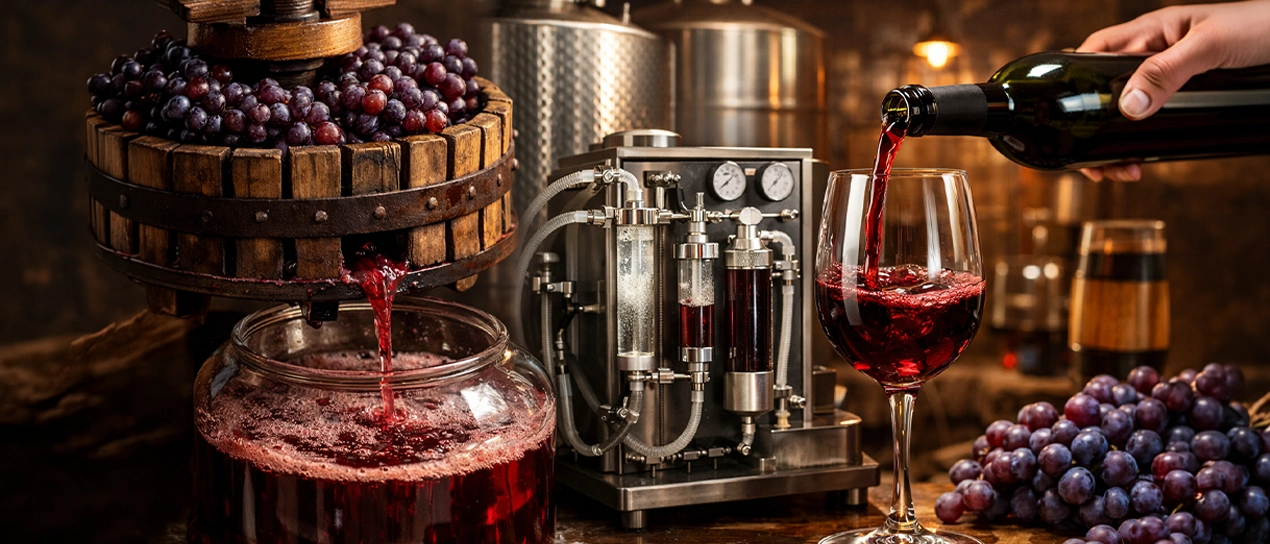
Fresh grapes are harvested and crushed to extract their juice. Yeast is then added to start fermentation. During this stage, the yeast converts natural sugars from the grapes into alcohol. This process also creates the rich aromas, tannins, and flavor compounds that give red wine its depth and character.
This step is essential because these complex flavors only develop during fermentation. Without it, the drink would simply taste like grape juice rather than wine.
Once fermentation is complete, the wine is ready for the next stage, which is removing the alcohol.
Step 2: Removing the Alcohol from the Wine
After the wine is fully fermented, producers use special technology to remove the alcohol while keeping the wine’s flavor as intact as possible.
One of the most widely used methods is vacuum distillation. Normally, alcohol evaporates at around 78°C, but when pressure is reduced in a vacuum environment, alcohol can evaporate at a much lower temperature.
This is important because high heat can damage delicate wine aromas. By using lower temperatures, winemakers can gently separate alcohol from the wine without significantly affecting its taste.
In simple terms, the vacuum environment allows alcohol to leave the wine while the rest of the liquid remains mostly unchanged.
Step 3: Advanced Technology Used in the Process
Many modern facilities use a spinning cone column to remove alcohol efficiently.
Inside this system, the wine flows through a vertical column containing a series of spinning cones. These cones spread the wine into very thin layers, allowing the alcohol to evaporate quickly under vacuum conditions.
As the wine moves through the column:
- Alcohol vapor separates and rises upward.
- The remaining liquid continues downward through the system.
- The alcohol is collected separately, while the dealcoholized wine exits from the bottom.
Because the wine moves through the system quickly and at low temperatures, the process helps preserve many of the original flavors and aromas.
Step 4: Restoring Balance and Flavor
Once the alcohol is removed, the wine may taste slightly different.
Alcohol plays an important role in giving wine body and texture. When it is removed, the wine can sometimes feel lighter or less rounded on the palate.
To maintain a pleasant drinking experience, winemakers carefully adjust the wine after dealcoholization. This may involve balancing acidity, sweetness, or aroma compounds so that the final product still tastes like wine.
These adjustments are done carefully to keep the drink natural and enjoyable.
Step 5: Bottling and Distribution
After the wine reaches the desired flavor profile, it moves to the final stage of production.
The wine is filtered, stabilized, and prepared for bottling. At this point, the alcohol content is usually reduced to below 0.5% ABV, which is the standard limit for non-alcoholic beverages in many countries.
Once bottled, the wine is packaged and distributed to retailers, restaurants, and consumers.
Step 6: Scaling Production
Non-alcoholic wine production ranges from small experimental batches to large commercial operations.
Pilot systems might process a few hundred liters per hour, while large production systems can handle thousands of liters.
Typically, the production process follows this flow:
- Wine arrives at the processing facility.
- It is stored briefly in tanks.
- Dealcoholization is performed using specialized equipment.
- The wine is adjusted for balance.
- It is then bottled and shipped.
The entire process can take just a few days when done at scale.
Why Non-Alcoholic Wine Is More Expensive
The global beverage market has been seeing a strong shift toward alcohol-free options. Consumers today are more health-conscious and interested in mindful drinking.
This trend has encouraged wineries and beverage companies to invest in better technology and improved production methods for non-alcoholic drinks. As the market continues to grow, the quality of non-alcoholic wine is improving quickly, making it an attractive option for many wine lovers.
Also read: The Rise of Non-Alcoholic Red Wine: Why More People Are Choosing Alcohol-Free Alternatives
Many consumers assume that removing alcohol should make wine cheaper, but the opposite is often true. Producing non-alcoholic wine actually requires an additional processing step, specialized equipment, and extra quality control.
This means producers must cover the cost of:
- Making the original wine
- Removing the alcohol
- Adjusting flavor and balance
- Packaging and distribution
However, as the industry grows and technology improves, production costs are expected to decrease over time.
Health Benefits of Non-Alcoholic Red Wine
Non-alcoholic red wine lets people enjoy the taste of wine while avoiding the effects of alcohol. It can be a good option for those who want a lighter and more balanced lifestyle.
Some possible benefits include:
- Lower alcohol intake – Non-alcoholic wine usually contains less than 0.5% alcohol, making it a lighter alternative to regular wine.
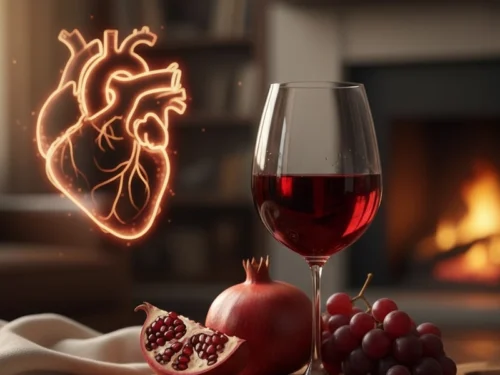
- Contains antioxidants – Red grapes contain natural compounds like polyphenols, which are linked to heart health.
- Fewer calories – Many non-alcoholic wines have fewer calories compared to traditional wines.
- Better for mindful drinking – It allows people to enjoy wine during social events without consuming alcohol.
- Suitable for more occasions – People who are avoiding alcohol for health, work, or personal reasons can still enjoy a wine-like experience.
While it should still be consumed in moderation, non-alcoholic wine offers a way to enjoy the flavor of wine with fewer concerns about alcohol. Check out the blog to know about non-alcoholic red wine health benefits.
Conclusion
Non-alcoholic red wine may seem simple, but its production involves both traditional winemaking and modern technology.
The process begins with real wine, followed by careful alcohol removal using methods like vacuum distillation and spinning cone technology. After that, the wine is adjusted to maintain balance and flavor before being bottled and distributed.
Shop homemade non-alcoholic red wine from the Great Indian Beverages.